
The allure of the “buy low, sell high” philosophy has captivated entrepreneurs for centuries. From the ancient silk roads to the modern digital marketplace, the act of reselling—acquiring an item at one price and moving it for a higher one—remains one of the most accessible paths to financial independence. In today’s economy, reselling has transitioned from a niche hobby into a sophisticated industry. However, the question remains: how profitable can it truly be? The answer lies in the intersection of market knowledge, sourcing discipline, and the ability to identify value where others see clutter. Whether you are dealing with vintage textiles or rare precious metals, the core principles of profitability remain the same: minimize acquisition costs, understand your audience, and maintain enough liquidity to pounce on the next big opportunity.
Maximizing Profit Margins Through Strategic Sourcing
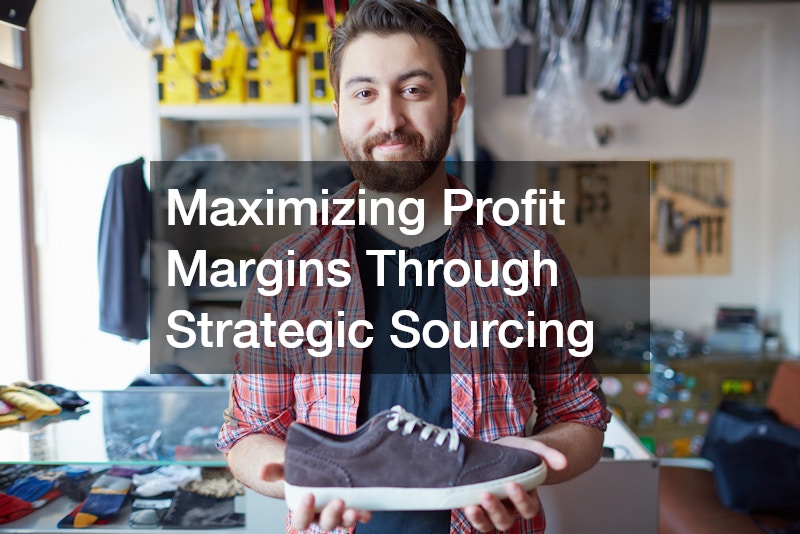
The heartbeat of any reselling venture is the ability to find inventory that carries a high “spread.” You cannot control what a buyer is willing to pay at the end of the day, but you can absolute control what you pay at the beginning. Strategic sourcing involves looking where others aren’t—estate sales, clearance racks, and overlooked online auctions. For many entrepreneurs, the entry point into this world starts in the closet.
Selling clothes has become a multi-billion dollar secondary market thanks to the rise of peer-to-peer apps. The key to high margins in apparel is brand recognition combined with condition. A reseller who can spot a vintage designer label at a local thrift store for five dollars and flip it for fifty has achieved a 900% return on investment. This type of “micro-flipping” allows for rapid scaling because the initial capital requirements are so low. As you refine your eye for fabric quality and label authenticity, your ability to source high-margin inventory increases, turning a casual hobby into a predictable revenue stream.
Determining the True Value of Inherited Items
One of the biggest hurdles in reselling is the “knowledge gap.” Many people possess items of immense value but lack the tools to quantify that value. This is especially true for families who inherit collections of stamps, antiques, or currency. To be a profitable reseller, you must be able to distinguish between a common sentimental item and a genuine rarity.
If you come across a collection of old currency, for example, you shouldn’t guess at the condition or rarity. Seeking out a local coin appraisal is the professional way to ensure you aren’t leaving money on the table—or worse, overpaying for inventory. An appraiser can identify subtle mint marks or “errors” that make a seemingly standard coin worth thousands of dollars. By paying for professional expertise upfront, you protect your margins. Knowing the exact “grade” of an item allows you to list it with confidence on specialized platforms where collectors are willing to pay top dollar for verified quality.
Navigating the Secondary Market for Historical Assets

Historical assets, such as rare currency and ancient artifacts, offer a level of price stability that consumer electronics or fast fashion simply cannot match. History doesn’t go out of style. However, the barrier to entry here is the specialized knowledge required to navigate the market without getting burned by counterfeits or cleaned specimens.
Those who successfully buy and sell coins as a business often treat it like a commodity exchange. They track the “bid” and “ask” prices of popular series and buy during market lulls. Profitability in this sector is often found in the “long tail”—the rare items that don’t trade often but command massive premiums when they do. The key is to build a network of trusted sources. By becoming a fixture at regional shows and auctions, you gain access to “fresh to the market” items before they ever hit the major public sites, allowing you to capture the maximum possible profit before the asset reaches its final destination in a private collection.
Capitalizing on Fluctuations in Precious Metal Pricing
For the reseller who prefers tangible assets with intrinsic value, precious metals offer a unique opportunity. Unlike a piece of clothing that might eventually become unwearable, gold and silver always retain a baseline value. However, the profit isn’t in the metal itself—it’s in the timing and the volume of the trade.
To make money in this space, you must align yourself with gold coin buyers who understand the “spot price” and the “premium.” When the global economy is volatile, the price of gold often spikes. A savvy reseller buys gold during periods of economic calm and holds it until the market reaches a fever pitch. Additionally, there is profit to be found in “junk silver” or scrap jewelry, which can be bought for its metal weight and resold to refiners. Understanding the math of karats and troy ounces is essential; even a 1% difference in your buy-in price can mean the difference between a successful month and a loss when you are dealing with high-value commodities.
Utilizing Short-Term Liquidity to Fund New Inventory

Cash flow is the “oxygen” of the reselling business. You might have $50,000 worth of inventory sitting on your shelves, but if you don’t have $500 in cash to buy a highly underpriced item at a yard sale, you are losing money. This is where the concept of “velocity of capital” becomes vital.
A professional pawn shop is often misunderstood by the public, but for a reseller, it is a strategic tool for liquidity. If you find yourself “inventory rich and cash poor,” a short-term collateral loan can provide the immediate funds needed to acquire a high-turnover asset. Furthermore, these shops are excellent places to source inventory. Because they prioritize quick turnover over maximum retail price, a reseller with cash in hand can often negotiate a “bundle deal” on items that have been sitting in the display case for too long. Using liquidity effectively allows you to keep your money moving, which is the secret to compound growth in reselling.
Unlocking Hidden Equity in Luxury Accessories
Luxury goods, particularly high-end watches and designer jewelry, act as “portable wealth.” These items often appreciate over time, especially if they are from prestigious houses like Rolex, Cartier, or Tiffany. For the reseller, these items represent high-ticket opportunities where a single transaction can net more profit than a hundred smaller sales.
Many people choose to pawn jewelry when they need quick cash, but a reseller looks at these pieces through the lens of refurbishment and retail. A vintage ring that looks dull and scratched might be acquired for its basic gold and stone value. However, with a professional cleaning, a new prong, and a certified appraisal, that same piece can be sold as a “ready-to-wear” luxury item. The profit here is found in the “value-add”—the work you do to transform a raw asset into a desirable consumer product. This sector requires a higher level of trust and a more polished presentation, but the rewards are significantly higher.
The Art of Negotiating With Professional High-Value Acquisition Teams

As your reselling business grows, you will eventually find yourself moving beyond individual buyers and dealing with professional firms. These firms specialize in high-volume acquisitions and have deep pockets, but they are also expert negotiators who know the market as well as you do.
When you are ready to move a significant portion of your inventory, you might reach out to professional jewelry buyers. These teams are looking for consistent quality and legitimate provenance. The key to negotiating with professionals is data. Come to the table with recent “comps” (comparable sales) and professional certifications. If you can prove that your inventory is liquid and accurately described, you can often negotiate a “bulk price” that is higher than what you would get by selling the items individually over a longer period. This “exit strategy” is essential for clearing out old stock and freeing up capital for the next phase of your business growth.
Understanding the Competitive Landscape of Modern Retail
The “retail apocalypse” has actually been a boon for resellers. As traditional department stores struggle, the secondary market has filled the void, offering unique and sustainable alternatives to mass-produced goods. However, this means that resellers are now competing directly with established retail brands for the consumer’s dollar.
Modern jewelry stores now often have a “pre-owned” or “estate” section to keep up with this trend. To stay profitable, a reseller must offer a shopping experience that rivals these established businesses. This means professional photography, secure shipping, and a robust return policy. If you can provide the same level of service as a high-end boutique but with the unique inventory of a dedicated reseller, you can capture a loyal customer base that values both character and quality. Understanding where your competitors are pricing their goods allows you to position yourself as the “better value” without necessarily being the “cheapest” option.
Building Long-Term Trust With Established Industry Experts
In a business built on used goods, trust is the only thing that cannot be counterfeited. A reseller’s reputation is their most valuable asset. If a buyer suspects even once that you have misrepresented the quality or origin of an item, your career in that niche is effectively over. Conversely, a reputation for honesty allows you to charge a “trust premium.”
Operating a successful online or physical jewelry store requires a commitment to transparency. This involves disclosing every flaw, no matter how small, and standing behind every sale. Building relationships with established experts—such as master jewelers or certified gemologists—adds a layer of third-party verification to your business. When a customer knows that your items have been vetted by a pro, they are more comfortable spending large sums of money. Over time, this trust results in repeat business and word-of-mouth referrals, which are the most cost-effective ways to grow a profitable reselling enterprise.
Extracting Maximum Value From Underutilized Heavy Equipment
Finally, profitability in reselling isn’t limited to things that fit in a shoebox. Some of the most consistent margins are found in the industrial and automotive sectors. This is the world of “asset recovery”—taking something that is no longer functional in its current state and breaking it down for its constituent value.
The market for cash for junk cars is a perfect example of this. A non-running vehicle might be worth zero to a homeowner, but to a reseller, it is a treasure trove of valuable parts. The catalytic converter contains precious metals like platinum and rhodium; the engine block might be refurbished; and the remaining steel can be sold for scrap. This is a volume business that requires physical space and specialized equipment, but it provides a “floor” to the reselling market. Even when luxury goods aren’t selling, industrial scrap remains in demand. Diversifying your reselling portfolio to include these more “utilitarian” assets can protect your business from the whims of fashion and consumer trends.
In conclusion, reselling is as profitable as you are informed. It is a business that rewards the diligent, the curious, and the brave. By mastering the art of sourcing, utilizing professional appraisals to bridge the knowledge gap, and maintaining the liquidity to act quickly, you can turn the act of “flipping” into a sophisticated and highly lucrative career. The modern world is overflowing with goods that are in the wrong hands; the reseller’s job is simply to find them and move them to where they are truly valued. Whether you are dealing in five-dollar t-shirts or five-figure diamonds, the path to profit is the same: know your value, protect your reputation, and never stop hunting for the next great deal.
Reselling is ultimately about the democratization of commerce. It allows anyone with a sharp eye and a bit of “sweat equity” to participate in the global economy on their own terms. As you scale from your first sale to your thousandth, you will find that the real profit isn’t just in the money—it’s in the freedom that comes from being able to spot an opportunity where others see a mess. In a world of mass-production, the reseller is the curator of the unique and the valuable, proving every day that one man’s junk is truly another man’s treasure—and a very profitable treasure at that.